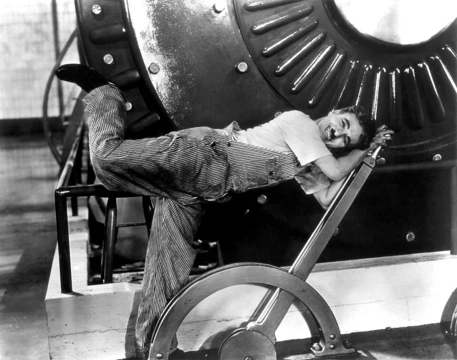
Totò
Italian comic actor and poet, prince of laughter.

He is commonly referred to as one of the most popular Italian performers of all time, best known for his comic characters in theatre and many successful comedy films from the 1940s to the 1960s, though he also worked with iconic directors in dramatic roles.
- field
- Actor, comedian, screenwriter, dramatist, poet, singer, lyricist
- nationality
- Italian
- known_for
- Comic characters in theatre and film; stage name Totò; nicknamed 'il principe della risata'
Lore & Background
Totò was the son of Anna Clemente and the Neapolitan marquis Giuseppe de Curtis, who legally recognized him. He later claimed an impressive slew of titles, including Prince of Constantinople and Duke of Macedonia, though he often referred to himself simply as Antonio de Curtis. He began acting as a comedian at age 15 under the pseudonym Clement, imitating Gustavo De Marco's characters. He learned the art of the guitti—Neapolitan scriptless comedians—and developed trademarks such as puppet-like gesticulation, emphasized facial expressions, and surrealistic humor. His personal life included a reputation as a playboy; one lover, Liliana Castagnola, committed suicide after their relationship ended. He named his only daughter Liliana after her.
Reader's Guide
Totò's significance lies in his enduring popularity as one of Italy's most beloved performers, bridging theatre and cinema with a distinctive comic style rooted in Neapolitan tradition. His films, often vehicles for his physical comedy and surreal humor, dominated Italian comedy from the 1940s to the 1960s. He also demonstrated dramatic range in works by directors like Pier Paolo Pasolini. Beyond acting, he wrote poetry—most famously 'A Livella—and songs such as 'Malafemmena,' a classic of Neapolitan music. His life story, from illegitimate birth in poverty to claiming extravagant noble titles, reflects a complex relationship with social status, which he both pursued and mocked. His legacy includes influencing generations of Italian comedians and remaining a cultural icon, with his films and poetry still widely appreciated.
Did You Know?
- Totò was born illegitimate and later arranged an adoption to gain noble titles, eventually claiming titles such as Prince of Constantinople and Duke of Macedonia.
- His lover Liliana Castagnola committed suicide after their relationship ended; he buried her in his family's chapel and named his only daughter after her.
- After his death, two funeral services were held: one in Rome and one in Naples.
Career & Achievements
T.J. Miller has built a remarkably versatile career spanning stand-up comedy, live-action film, television, and voice acting. His most recognized on-screen work includes playing the character Erlich Bachman on HBO's critically praised Silicon Valley from 2014 to 2017, a role that earned him the 2015 Critics' Choice Television Award for Best Supporting Actor in a Comedy Series. On the big screen, he brought energy to the Marvel superhero comedy Deadpool (2016) and its 2018 sequel as the character Weasel, while also appearing in action blockbusters like Transformers: Age of Extinction, Ready Player One, and Underwater. His voice work is equally prolific: he voiced Tuffnut Thorston in the Oscar-nominated How to Train Your Dragon films, Fred in Big Hero 6, and the lead emoji Gene in The Emoji Movie. Beyond these headliners, he has filled supporting roles in comedies from Yogi Bear to Goon: Last of the Enforcers, and his film debut in Cloverfield saw his voice present in nearly every scene despite only a handful of on-screen minutes.
Early Life & Education
Todd Joseph Miller entered the world on June 4, 1981, in Denver, Colorado, the son of a clinical psychologist mother, Leslie, and an attorney father, Kent, who hailed from Chanute, Kansas. His formative years in Denver included time at Graland Country Day School and East High School, where he first discovered a love of the stage through drama productions. In 2003 he graduated from George Washington University in Washington, D.C., earning a bachelor's degree in psychology with a specialized focus on persuasion theory and social influence. During his time at GWU he was a member of the comedy troupe Recess, blending his academic interests in human behavior with a growing passion for performance. His education extended well beyond the classroom: he spent time studying circus arts at Frichess Theatre Urbain in Paris and attended the British American Drama Academy in London, where he immersed himself in Shakespeare for a full summer. These diverse formative experiences—psychology, physical comedy, classical theater—would later shape the eclectic, high-energy performer he became.
Defining Moments & Turning Points
Several moments defined Miller's professional trajectory. His film debut in Cloverfield was a quiet but memorable introduction: he appeared on screen for only a few minutes, yet his voice as the character who videotaped most of the events was heard in nearly every scene. The Yogi Bear casting in 2010 became a beloved anecdote—after two auditions, he jokingly sent Warner Bros. an improvised video featuring an actual bear, though the studio had already offered him the part before receiving it. His biggest professional triumph came with Silicon Valley, where his portrayal of Erlich Bachman earned widespread critical acclaim and a 2015 Critics' Choice Television Award. Yet the show's end in 2017 was turbulent: Miller and HBO jointly announced he would not return for the fifth season, and creator Mike Judge later revealed the departure stemmed from Miller failing to show up to work and arriving seemingly under the influence. On the comedy side, his 2017 HBO special Meticulously Ridiculous, filmed in his hometown of Denver, and his self-described One Man Philosophy Circus tour marked a bold reinvention of his live performance identity.
Beyond the Stage: Audio, Podcasts & Personal Life
Away from the screen, Miller has cultivated a rich audio and podcasting presence. As early as 2006 he became a semi-regular co-host on the Chicago-based comedy podcast Red Bar Radio, and in March 2012 he launched Cashing in with TJ Miller alongside friend and fellow comedian Cash Levy. He is also a frequent guest on Doug Benson's podcast Doug Loves Movies. His recording career includes the 2011 comedy rap concept album The Extended Play E.P., featuring comedians Bo Burnham, Doug Benson, and Pete Holmes alongside hip-hop artists Ugly Duckling and Johnny Polygon, followed by an Illegal Art Remix Tape and the 2012 release Mash Up Audiofile on Comedy Central Records. On television, he was a familiar face on Chelsea Lately's round table and hosted the Comedy Central special Mash Up, which was picked up for a full season in 2012. In the commercial world, he voiced a talking ball of mucus for Mucinex and starred as Greg the Genie in a Slim Jim campaign. In 2014, Miller became engaged, marking a personal milestone amid his professional whirlwind.
Frequently Asked Questions
Who is Totò?
Totò was an Italian actor, comedian, poet, and singer who became one of the country's most beloved stage and screen performers. He is best remembered for his physical comic characters in theatre and film from the 1940s through the 1960s.
What is Totò's famous nickname?
He is widely known as 'il principe della risata,' meaning 'the prince of laughter.' The title captures his reputation as a master of physical, almost wordless humor who could fill a theatre with spontaneous, infectious comedy.
What other creative fields did Totò work in besides acting?
In addition to performing, he wrote screenplays, plays, poetry, and song lyrics. He also took on dramatic film roles under the guidance of celebrated Italian directors, showing a range well beyond pure slapstick.
How long did Totò's peak career last?
His most recognized output spans roughly two decades, from the 1940s into the 1960s, during which he starred in numerous successful comedy films. His theatrical comic characters were a staple of Italian stage entertainment throughout that entire period.
Why is Totò important to the tradition of physical comedy?
He is commonly cited as one of the most popular Italian performers of all time, and his body of work remains a touchstone for the tradition of physical, clowning-style humor in European theatre and cinema. Fans of slapstick and physical comedy often point to his characters as a high-water mark for the art form in Italy.
More in Clowning & Physical Comedy 1-21
Spotted an error? Know more?
This is a living reference — every entry is fact-audited, and reader corrections feed straight into our audit queue. Suggest an edit · See this site's audit record