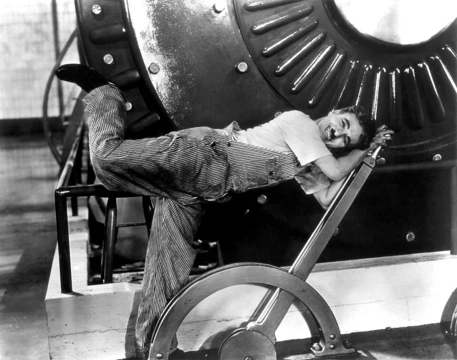
Tommy Cooper
Prop comedian and magician whose tricks famously failed on purpose.

Biha · CC BY-SA 4.0
He was large and lumbering at 6 feet 4 inches (1.93 m) and habitually wore a red fez when performing.
- died
- 15 April 1984, Westminster, London
- field
- Comedy, magic, television
- nationality
- Welsh
- known_for
- Prop comedy with deliberately failed magic tricks, red fez
Lore & Background
His father was a Welsh recruiting sergeant and later coal miner; his mother was English. The family moved to Exeter, Devon, when Cooper was three. At age eight, an aunt bought him a magic set, and he spent hours perfecting tricks. After leaving school, he became a shipwright in Southampton. While in a NAAFI entertainment party, he forgot a pith helmet and borrowed a fez from a waiter, which got huge laughs; he wore a fez thereafter, later described as 'an icon of 20th-century comedy'. There are various stories about how he developed his delivery of 'failed' magic tricks: performing to shipbuilding colleagues when everything went wrong and noticing failed tricks got laughs; starting to make 'mistakes' on purpose in the Army; or his tricks going wrong at a post-war audition, which the panel enjoyed. To keep audiences on their toes, he would occasionally throw in a trick that worked when least expected. By the end of the 1970s, Cooper smoked and drank heavily, affecting his career and health, ending offers to front new programmes and relegating him to guest star roles. He continued as a guest on other shows. The audience initially laughed, believing it was part of the act. He died at age 63.
Reader's Guide
Tommy Cooper's significance lies in his unique fusion of magic and comedy, where deliberate failure became his signature. His act subverted audience expectations, turning mistakes into the core of his performance. This approach influenced generations of comedians who embraced vulnerability and imperfection as comedic tools. His red fez became an enduring visual shorthand for his persona. Cooper's career trajectory—from variety theatre to television stardom—mirrors the mid-20th-century shift in entertainment media. His decline due to alcohol and health issues, culminating in his death on live television, added a tragic dimension to his legacy. The incident, witnessed by millions, remains one of the most startling moments in broadcast history. His biography notes he was widely considered 'the tightest man in show business,' with stunts like paying exact taxi fare and slipping a tea bag into the driver's pocket. Despite personal struggles, his act retained energy and confidence when he cut down drinking, though he never stopped. His influence persists in comedy that embraces the absurd and the imperfect.
Did You Know?
- Cooper was delivered by the woman who owned the lodging house where his family lived.
- He borrowed a fez from a waiter during an army show after forgetting his pith helmet, and it got huge laughs.
- He became a member of The Magic Circle.
- Cooper suffered a heart attack on 22 April 1977 during a performance on the television show 'Live from Her Majesty's' in London.
- He died on live television on 15 April 1984 during Live from Her Majesty's, in front of 15 million viewers.
Gallery
Frequently Asked Questions
Who is Tommy Cooper?
Tommy Cooper was a Welsh prop comedian and magician best known for performing magic tricks that deliberately went wrong. He is instantly recognisable by his large frame and signature red fez.
What made Tommy Cooper's act stand out in physical comedy?
Rather than executing flawless sleight of hand, Cooper built his entire routine around tricks that appeared to fail spectacularly, turning every botched move into a physical-comedy beat. His lumbering, 6-foot-4 frame became a prop in itself, amplifying the slapstick of each mishap.
How did Tommy Cooper rise to international fame?
He became a household name across the UK and beyond through regular television appearances on London Weekend Television and Thames Television. Those broadcast shows carried his failed-magic act to millions of living rooms and cemented his status as a major comedy figure.
What is Tommy Cooper's signature look on stage?
Cooper almost always performed wearing a bright red fez, which became inseparable from his public image. Combined with his tall, heavyset build, the fez gave him a instantly identifiable silhouette that audiences could spot from across the theatre.
When and where did Tommy Cooper die?
He passed away on 15 April 1984 in Westminster, London. His death ended a career that had spanned decades of stage, television, and variety-show performances.
More in Clowning & Physical Comedy 1-21
Spotted an error? Know more?
This is a living reference — every entry is fact-audited, and reader corrections feed straight into our audit queue. Suggest an edit · See this site's audit record