Joseph Grimaldi
English clown who defined the pantomime role of Joey.

via Wikipedia: Joseph Grimaldi · see source
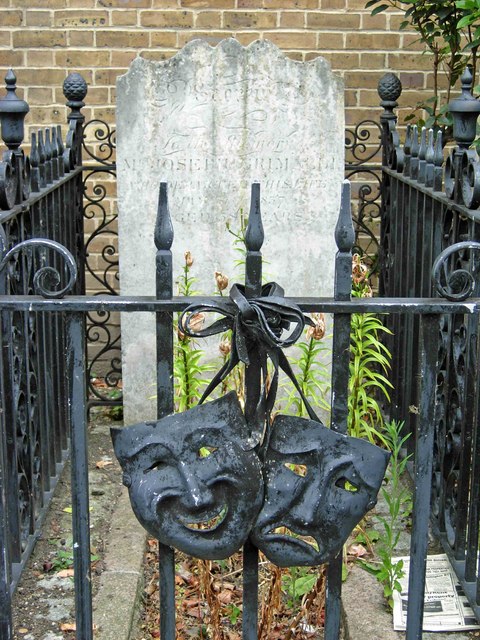
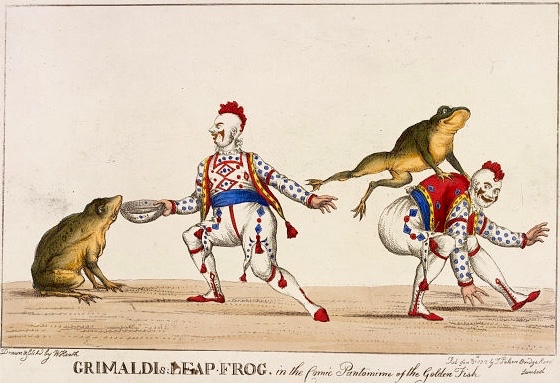
Joseph Grimaldi (18 December 1778 – 31 May 1837) was an English actor, comedian and dancer, who became the most popular English entertainer of the Regency era. In the early 19th century, he expanded the role of Clown in the harlequinade that formed part of British pantomimes, notably at the Theatre Royal, Drury Lane and the Sadler's Wells and Covent Garden theatres. He became so dominant on the London comic stage that the harlequinade role of Clown became known as "Joey", and both the nickname and Grimaldi's whiteface make-up design were, and still are, used by other types of clowns. Grimaldi originated catchphrases such as "Here we are again!", which continue to feature in modern pantomimes.
- born
- 18 December 1778
- died
- 31 May 1837
- field
- Actor, comedian, dancer
- nationality
- English
- known_for
- Expanding the role of Clown in British pantomime; originating the nickname 'Joey
Verified Timeline
Lore & Background
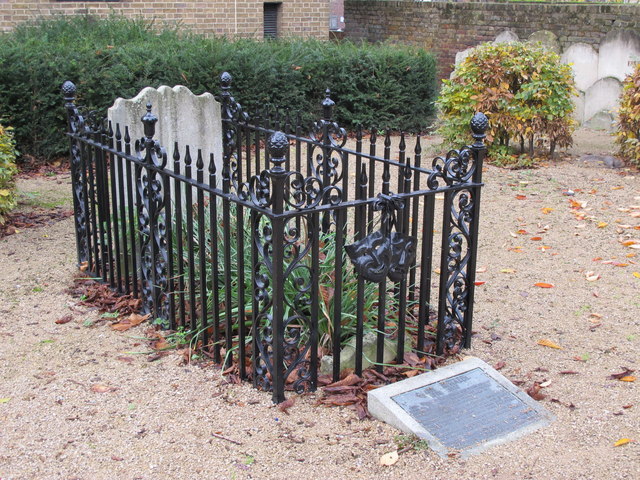
Grimaldi's career at Drury Lane became turbulent, and he left the theatre in 1806. In his new association with Covent Garden, he appeared at the end of the same year in Thomas John Dibdin's Harlequin and Mother Goose; or, The Golden Egg, which included perhaps his best known portrayal of Clown. His residencies at Covent Garden and Sadler's Wells ran simultaneously, and he became known as London's leading Clown and comic entertainer, enjoying many successes at both theatres. His popularity in London led to a demand for him to appear in provincial theatres throughout England, where he commanded large fees. Grimaldi's association with Sadler's Wells came to an end in 1820, chiefly as a result of his deteriorating relationship with the theatre's management. After numerous injuries over the years from his energetic clowning, his health was also declining rapidly, and he retired in 1823. He appeared occasionally on stage for a few years thereafter, but his performances were restricted by his worsening physical disabilities. In his last years, Grimaldi lived in relative obscurity and became a depressed, impoverished alcoholic. He outlived both his wife and his actor son, Joseph Samuel, dying at home in Islington in 1837, aged 58.
Reader's Guide
Joseph Grimaldi's significance lies in his transformation of the Clown role in British pantomime during the Regency era. He originated the whiteface make-up design and the nickname 'Joey', both of which continue to be used by clowns worldwide. His catchphrases, such as 'Here we are again!', remain part of modern pantomime tradition. Grimaldi's energetic and physical style of clowning, while making him London's leading comic entertainer, also led to numerous injuries that contributed to his early retirement and declining health. His legacy endures through the archetype of the clown he helped create, influencing generations of performers. Despite his personal struggles with poverty and alcoholism in later life, his impact on theatrical comedy and pantomime is lasting, with his innovations still visible in contemporary clowning and holiday pantomimes.
Did You Know?
- Grimaldi made his stage debut at Drury Lane in 1780 at age two, when his father took him on stage for his 'first bow and first tumble'.
- At age nine, after his father died of dropsy in 1788, Grimaldi became the family's principal breadwinner, earning £1 a week at Drury Lane.
- Grimaldi originated the catchphrase 'Here we are again!', which still features in modern pantomimes.
- His father, Giuseppe Grimaldi, insisted on his eldest daughter Mary decapitating him after his death because of his fear of being buried alive, a task that earned her £5 extra in her inheritance.
- Grimaldi's brother John Baptiste illegally signed on as a cabin boy aboard a frigate in 1788 at age nine, using a false identity, and Grimaldi saw him only once more in his life.
Rise to Dominance on the London Stage
Joseph Grimaldi's path from a toddler taking a bow to the undisputed king of English comedy was remarkably swift. His father, Giuseppe, put him on stage at Sadler's Wells in late 1780 for what was described as his "first bow and first tumble." Within months, manager Richard Brinsley Sheridan had cast the two-year-old in The Wizard of the Silver Rocks at Drury Lane, and by Boxing Day 1781 he was playing Little Clown in The Triumph of Mirth, a pantomime that ran through March 1782. Through the 1790s he accumulated leading parts in Valentine and Orson and The Talisman, and a pantomime adaptation of Robinson Crusoe cemented his reputation as a central figure in the genre. A turbulent period at Drury Lane ended in 1806 when he moved to Covent Garden, where his turn in Dibdin's Harlequin and Mother Goose; or, The Golden Egg is often cited as his finest Clown performance. Holding simultaneous residencies at Covent Garden and Sadler's Wells, he became the defining comic voice of the Regency era, drawing audiences from provincial theatres across England who paid substantial fees to see him perform.
Pivotal Turning Points
Several moments defined the arc of Grimaldi's professional life. His very first appearance, a brief on-stage bow and tumble at Sadler's Wells in 1780, set the trajectory for everything that followed. The Boxing Day 1781 performance as Little Clown at Drury Lane proved he could carry a role, and the extended run of that pantomime through early 1782 gave him a foothold in the London theatrical world. In the late 1790s, his star turn in a pantomime version of Robinson Crusoe confirmed to audiences and managers alike that he was no longer a child prodigy but a leading man of the genre. The most consequential career shift came in 1806, when a fractious relationship with Drury Lane management drove him to Covent Garden, where he immediately delivered what many consider his signature Clown performance in Dibdin's Harlequin and Mother Goose. By 1820, a deteriorating relationship with Sadler's Wells management ended that long association, and years of physical injuries from his acrobatic clowning, combined with rapidly failing health, forced his retirement in 1823. He made a handful of restricted appearances in the years that followed, his body no longer able to sustain the demands of the stage.
A Name That Became a Genre
Grimaldi's influence on the visual and linguistic vocabulary of clowning extends far beyond his own lifetime. His interpretation of the Clown role in the harlequinade was so dominant and distinctive that the part itself became known simply as "Joey," a nickname that persists in theatrical parlance to this day. Equally enduring is his whiteface make-up design, which established a template that other types of clowns have continued to adopt and adapt. On the verbal side, he originated catchphrases such as "Here we are again!" that still feature in modern pantomime performances, linking contemporary audiences to a comic tradition stretching back to the early nineteenth century. His expansion of the Clown from a minor supporting figure into a central, audience-driving presence in British pantomime reshaped the genre's structure. The sheer scale of his popularity—commanding large fees in provincial theatres and holding simultaneous residencies at two of London's major houses—demonstrates that he was not merely a performer within the pantomime tradition but the force that redefined what the tradition could be.
Behind the Whiteface: Family, Turmoil, and a Difficult End
The glittering stage persona of Joey concealed a deeply troubled personal life. Grimaldi was born in the slum area of Clare Market, Westminster, to a father, Giuseppe, who was a serial philanderer with at least ten children by three different women. His mother, Rebecca Brooker, had been apprenticed to Giuseppe at under fourteen and raised Joseph largely on her own in poverty. Giuseppe's household was marked by eccentricity and cruelty: he beat his children for disobedience, feigned death before them to observe their reactions, and harbored an obsessive fear of being buried alive, instructing his eldest daughter to decapitate his corpse after his death. The family's theatrical lineage stretched back to Italy, with a great-grandfather who performed Pantaloon in the 1730s and a grandfather who was once imprisoned in the Paris Bastille over a scandalous performance. Grimaldi's own later years were bleak. He outlived both his wife and his actor son, Joseph Samuel, and spent his final period in relative obscurity, a depressed and impoverished alcoholic. He died at home in Islington in 1837, aged fifty-eight.
Gallery
Frequently Asked Questions
Who is Joseph Grimaldi?
He was an English actor, comedian, and dancer born in 1778 who rose to become the most beloved stage entertainer in Britain during the Regency period.
What did Joseph Grimaldi contribute to clowning?
He reimagined and broadened the traditional Clown character in the harlequinade sequences of British pantomime, performing at major London houses including Drury Lane, Sadler's Wells, and Covent Garden.
Where does the clown name 'Joey' come from?
Because Grimaldi's portrayal was so dominant on the London comic stage, the harlequinade Clown part simply became known as 'Joey' after him, and that label stuck in the trade.
Why is Joseph Grimaldi still relevant to clowns today?
His whiteface paint design and the 'Joey' archetype remain standard references in modern clowning, meaning virtually every whiteface clown working today is building on a look and role he established.
When did Joseph Grimaldi die?
Grimaldi passed away on 31 May 1837, ending a career that had defined English comic stage performance for over three decades.
More in Clowning & Physical Comedy 1-21
Spotted an error? Know more?
This is a living reference — every entry is fact-audited, and reader corrections feed straight into our audit queue. Suggest an edit · See this site's audit record