Mack Sennett
Canadian-American film pioneer who originated slapstick routines.

via Wikipedia: Slapstick · see source
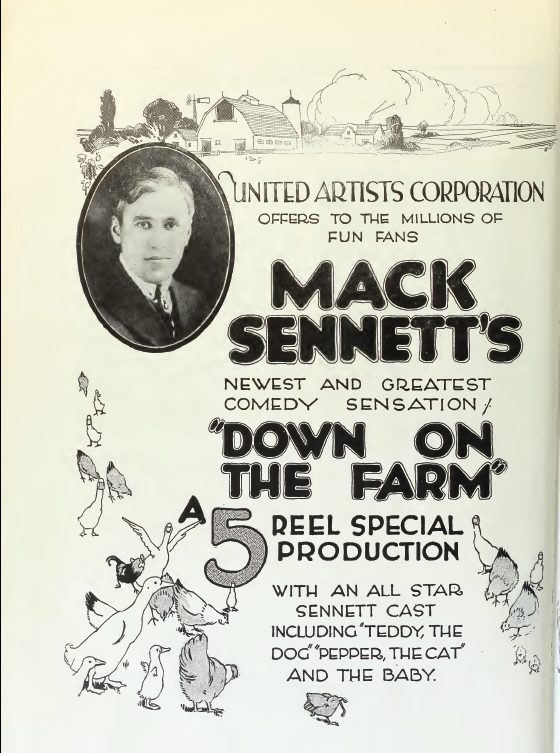
Mack Sennett was a Canadian-American film producer, director, actor, and studio head.
- field
- Film producer, director, actor, studio head
- nationality
- Canadian-American
- known_for
- Originator of slapstick routines (pie-throwing, car-chases); founder of Keystone
Lore & Background
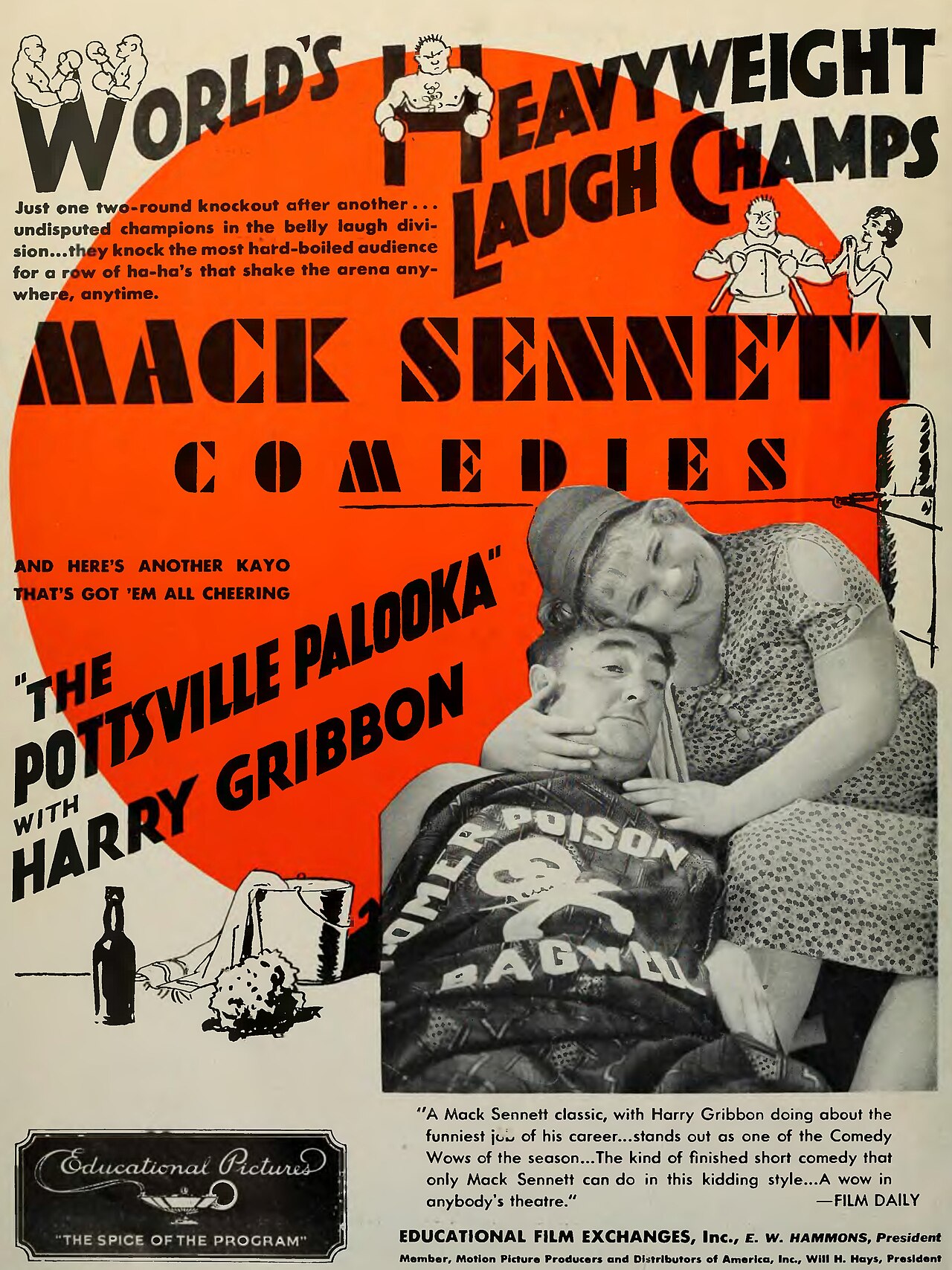
Mack Sennett's significance lies in his foundational role in early film comedy. As the originator of slapstick routines like pie-throwing and car-chases, he established visual gags that became staples of the genre. Sennett's later career was marked by financial difficulties and an inability to fully adapt to sound films, as his outmoded techniques made his early-1930s work seem dated. The academy described him as a 'master of fun, discoverer of stars, sympathetic, kindly, understanding comedy genius'.
Reader's Guide
Mack Sennett's significance lies in his foundational role in early film comedy. As the originator of slapstick routines like pie-throwing and car-chases, he established visual gags that became staples of the genre. Sennett's later career was marked by financial difficulties and an inability to fully adapt to sound films, as his outmoded techniques made his early-1930s work seem dated. The academy described him as a 'master of fun, discoverer of stars, sympathetic, kindly, understanding comedy genius'.
Did You Know?
- Sennett's first female comedian was Mabel Normand, who became a major star and with whom he had a tumultuous romantic relationship.
- Film historian Richard Koszarski noted that while Sennett's place in screen comedy is secure, he was not a developer of individual talents; comedians like Chaplin and Lloyd developed their styles only in spite of Sennett.
The Golden Era of Black-and-White Slapstick
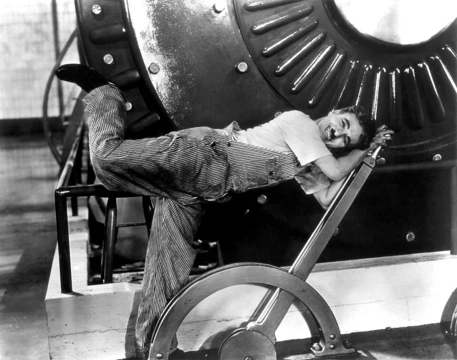
Mack Sennett occupies a central position in what is widely recognized as the golden era of black-and-white cinema, a period during which the slapstick style of physical comedy was explored with remarkable depth and ambition. Working in the same creative orbit as producer-director Hal Roach, Sennett helped build a filmmaking world in which exaggerated physical activity—chases, beatings, and the clumsy misuse of props—served as the primary storytelling engine. This was no fleeting fad but a sustained artistic movement rooted in centuries of theatrical practice, stretching from the Italian batacchio of sixteenth-century commedia dell'arte through British pantomime and into the vaudeville houses of the early twentieth century. The pie-in-the-face gag, a fixture of that earlier stage tradition, was deployed extensively across the films of this era. Sennett's body of work thus represents one of the most concentrated periods in which a style of visual humor, refined over generations of performance, was translated into the grammar of cinema for a mass audience.
A Roster of Comedy Legends
The black-and-white slapstick films associated with Mack Sennett during the golden era featured a remarkable constellation of performers who would go on to define physical comedy for successive generations. Among the notables connected to this body of work were Charlie Chaplin, whose fifteen-year music hall career under Fred Karno had already sharpened his pantomimicry before he carried it to the screen; Mabel Normand; the pairing of Abbott and Costello; the legendary duo of Laurel and Hardy, both of whom had first performed as young comedians in Karno's London Comedians; the Three Stooges; and Larry Semon. This was not a single-star vehicle but rather a collaborative ecosystem in which multiple comedic voices could flourish simultaneously. The sheer breadth of talent suggests a production environment that prized variety of physical style, from Chaplin's refined, pantomimic gestures to the broader, more chaotic energy of the Stooges. Sennett's role as the directorial anchor of this ensemble placed him at the heart of a creative community whose influence radiated far beyond the silent era into animation, television, and global comedy culture.
The Grammar of Physical Gags
The slapstick style that Mack Sennett explored extensively in his black-and-white films was built upon a specific vocabulary of physical comedy that stretched well past the boundaries of ordinary humor. The tradition he drew upon encompassed both intentional violence and violence by mishap, often arising from physical abuse or the inept handling of props. The pie-in-the-face gag, which first appeared in Fred Karno's 1904 sketch Mumming Birds at the Hackney Empire in London, became one of the most frequently deployed devices across the cinematic era Sennett helped define. Chaplin's 1915 film A Night in the Show carried that particular music hall sketch directly into the medium of film, illustrating how the gags championed in this era were inherited rather than invented in the studio. The original physical slapstick device—two thin wooden slats producing a loud smacking noise with minimal actual force—remained a key plot component in traditional puppet shows, and its cinematic descendants carried that same principle of loud, comical effect and negligible real impact into the realm of screen comedy.
Roots in Music Hall and Vaudeville
The filmmaking associated with Mack Sennett did not emerge in isolation; it was the culmination of a centuries-old tradition of physical comedy that passed through Italian commedia dell'arte, Shakespearean chase scenes and beatings, English pantomime, and the British music hall before reaching the American vaudeville stage and, ultimately, the cinema. Fred Karno, the English impresario who developed dialogue-free sketch comedy in the 1890s, was described by Hal Roach as the man who originated slapstick comedy, and it was under Karno's banner that both Chaplin and Laurel first performed. The music hall routines that became popular in the 1850s and the vaudeville houses that followed supplied the raw material that Sennett and his contemporaries refined for the screen. Joseph Grimaldi, the father of modern clowning, had already established physical comedy as a master art form in early nineteenth-century pantomime. By the time Sennett was directing, the lineage was unmistakable: every pie thrown, every chase staged, and every exaggerated fall on his set echoed the batacchio strikes of sixteenth-century Italian stages, filtered through two centuries of theatrical evolution.
Gallery
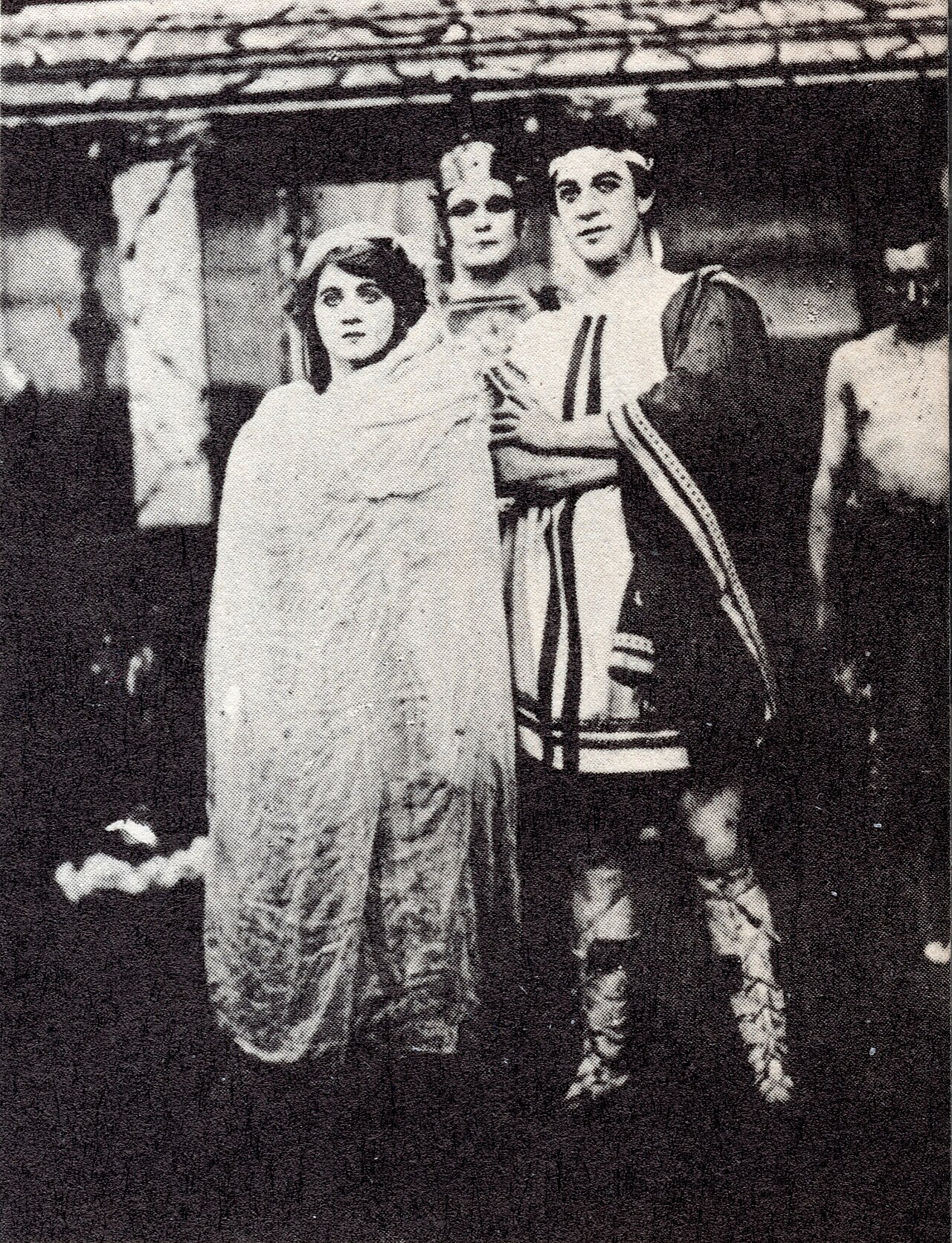
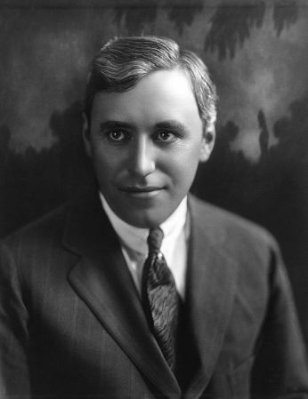
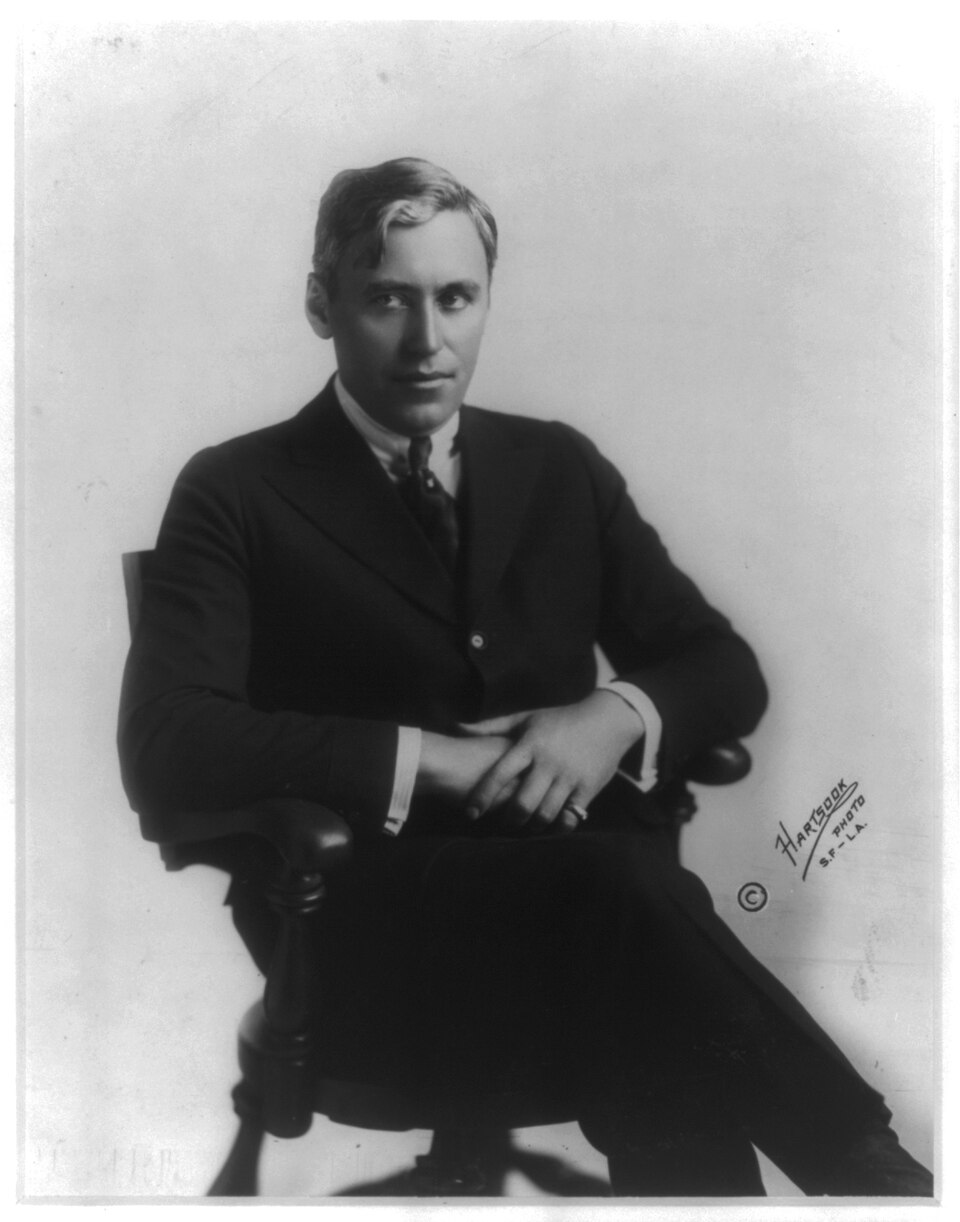
Frequently Asked Questions
Who is Mack Sennett?
Mack Sennett was a Canadian-American filmmaker who wore many hats—producer, director, actor, and studio head. In the world of physical comedy, he is best remembered as the man who essentially built the blueprint for screen-based slapstick.
What slapstick routines did Mack Sennett originate?
Sennett is credited with turning pie-throwing and high-speed car chases into repeatable, filmable gags. These routines became the signature set-pieces of the Keystone Cops shorts he produced.
What is Mack Sennett's connection to Keystone Studios?
Sennett founded Keystone Studios, which served as the creative engine behind the Keystone Cops ensemble and a whole generation of early physical-comedy shorts. The studio gave him the resources to refine and standardize his signature slapstick formulas.
Why is Mack Sennett important to clowning and physical comedy?
He codified the visual vocabulary of screen slapstick, transforming improvised stage gags into structured, repeatable cinematic routines. His influence shaped how physical comedy would be staged in film for decades to come.
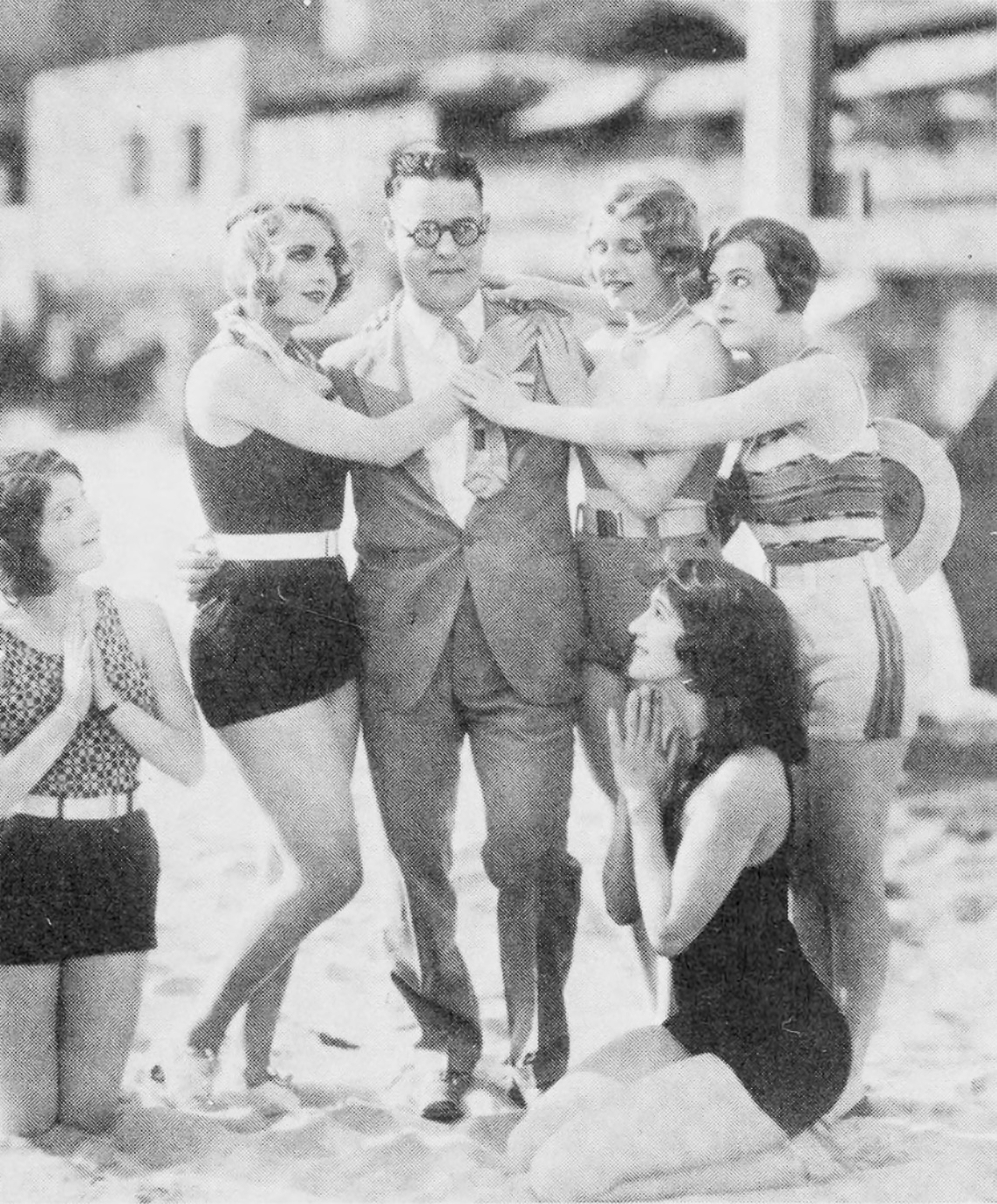
What were Mack Sennett's Bathing Beauties?
The Bathing Beauties were a line of short films Sennett produced that showcased actresses in seaside and poolside settings. Several of the women who appeared in those shorts went on to build broader acting careers.
More in Clowning & Physical Comedy 1-21
Spotted an error? Know more?
This is a living reference — every entry is fact-audited, and reader corrections feed straight into our audit queue. Suggest an edit · See this site's audit record