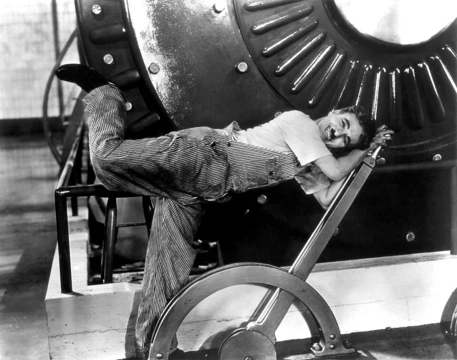
Jerry Lewis
American comedian and humanitarian known as the 'King of Comedy.'

via Wikipedia: Jerry Lewis · see source
Jerry Lewis (born Joseph Levitch; March 16, 1926 – August 20, 2017) was an American comedian, actor, singer, filmmaker and humanitarian. Across his seven-decade career, he was regarded as one of the greatest comedians of the 20th century and nicknamed the 'King of Comedy.' He rose to prominence with singer Dean Martin as the duo Martin and Lewis, then built a successful solo career in film, television, and music, while also raising billions for the Muscular Dystrophy Association through his annual Labor Day telethon.
- born
- March 16, 1926, in Newark, New Jersey (birth name disputed: Joseph or Jerome)
- died
- August 20, 2017
- field
- Comedian, actor, singer, filmmaker, humanitarian
- nationality
- American
- known_for
- Comedy duo Martin and Lewis; solo film career; Jerry Lewis MDA Telethon
Verified Timeline
Lore & Background
Jerry Lewis was born to a Jewish family in Newark, New Jersey. His father was a vaudevillian and his mother a radio pianist. Reports about his birth name conflict: his 1982 autobiography claimed Joseph, but his birth certificate and census records list Jerome. He was expelled from Weequahic High School in the ninth grade and dropped out of Irvington High School in the tenth. By age 15, he developed a 'Record Act,' miming lyrics to songs. After a failed burlesque performance, he worked as a soda jerk and theater usher before a veteran comedian persuaded him to try again. Irving Kaye, a Borscht Belt comedian, became his manager after seeing his mime act. Lewis was rejected from military service during World War II due to a heart murmur. In 1945, Lewis met singer Dean Martin at the Glass Hat Club in New York City. They debuted as Martin and Lewis at Atlantic City's 500 Club on July 25, 1946, with Martin as the straight man to Lewis's zany antics. The duo rose to national prominence through nightclub acts, a radio program, television appearances on The Colgate Comedy Hour, and a series of sixteen buddy-comedy films for Paramount Pictures. They split in 1956. Lewis then went solo, recording the album 'Jerry Lewis Just Sings,' which reached No. 3 on the Billboard charts. He performed regularly at the Sands Hotel and Casino and continued making films. Lewis served as honorary national chairman and spokesman for the Muscular Dystrophy Association, raising $2.45 billion through his annual Labor Day telecast from 1966 through 2009. He guest hosted The Tonight Show a record fifty-two times and helmed his own nightly series. He performed closely with Sammy Davis Jr. from 1950 to 1989. Lewis was honored with two stars on the Hollywood Walk of Fame and France awarded him the Legion of Honor.
Reader's Guide
Jerry Lewis's significance lies in his multifaceted career as a comedian, actor, singer, filmmaker, and humanitarian. His partnership with Dean Martin redefined comedy duos, blending scripted routines with improvisation and influencing generations of performers. After their split, Lewis successfully transitioned to a solo career in film, television, and music, demonstrating versatility. His annual MDA telethon became a landmark in charitable fundraising, raising $2.45 billion and raising awareness for muscular dystrophy. Despite disputes about his early life details, his impact on American entertainment and philanthropy is well-documented.
Did You Know?
- Lewis was rejected from military service during World War II because of a heart murmur.
- His first solo album 'Jerry Lewis Just Sings' reached No. 3 on the Billboard charts and sold a million and a half copies.
- Lewis guest hosted The Tonight Show a record fifty-two times.
- He raised $2.45 billion for the Muscular Dystrophy Association through his annual Labor Day telecast from 1966 through 2009.
- France awarded Lewis the Legion of Honor.
Humble Beginnings in Newark
Born into a Jewish family in Newark, New Jersey, in 1926, the boy who would become one of the twentieth century's most beloved entertainers grew up surrounded by the world of performance. His father, a master of ceremonies who went by the stage name Danny Lewis, had roots tracing back to the Russian Empire, while his mother, a radio pianist, came from Warsaw. The household was steeped in show business from the start. Yet the young Levitch's path was far from smooth. He was a neighborhood prankster who snuck into kitchens for fried chicken and pies, was expelled from one high school in ninth grade and dropped out of another in tenth. By fifteen, he had crafted his Record Act, miming lyrics while a phonograph played offstage. A flat performance at a Buffalo burlesque house derailed his early ambitions, and he survived as a soda jerk and theater usher in New York.
The Martin and Lewis Partnership
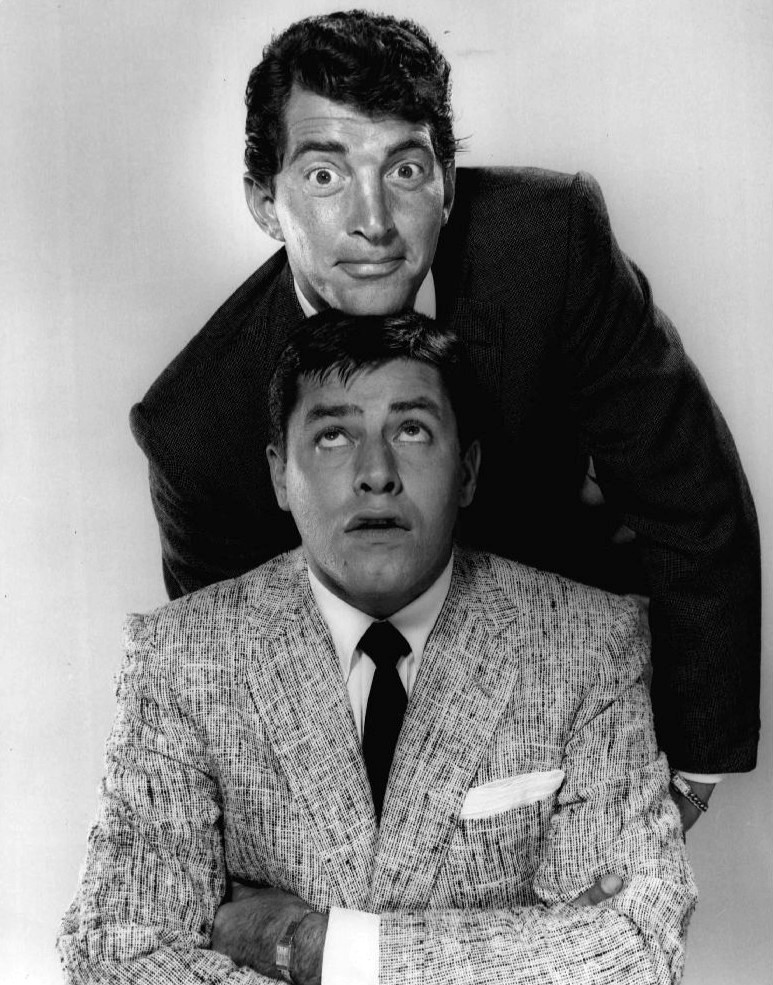
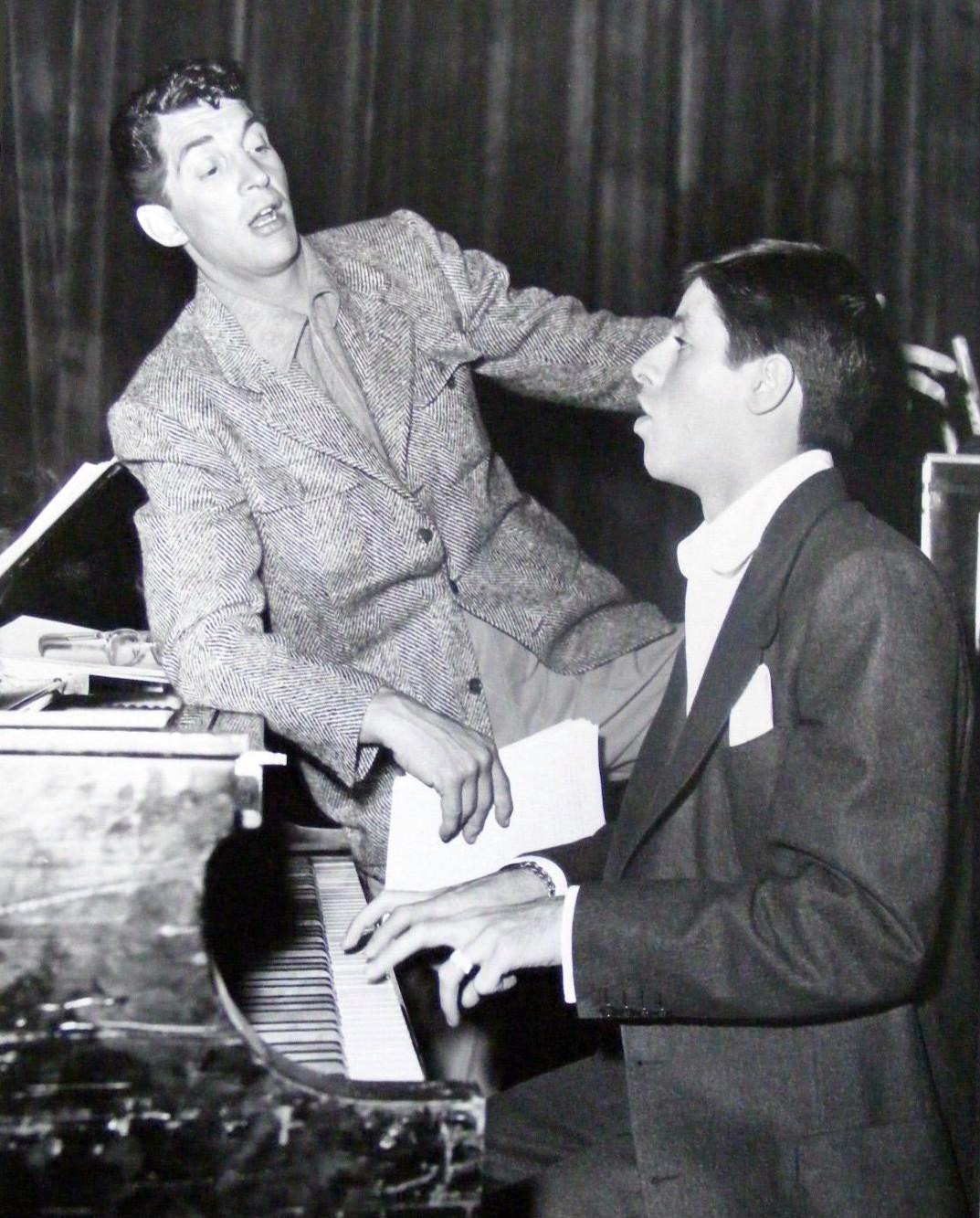
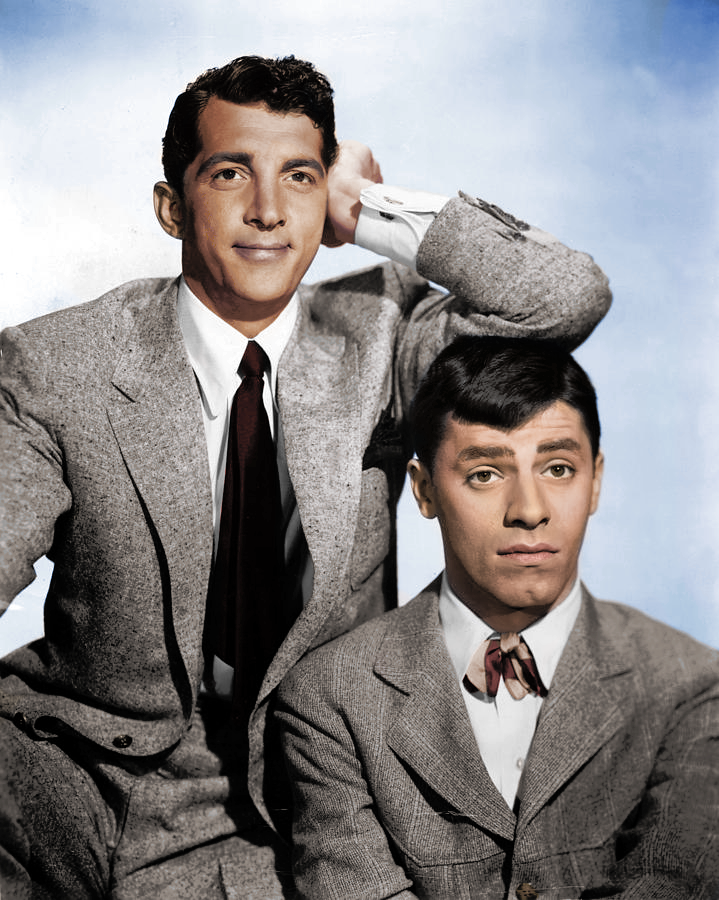
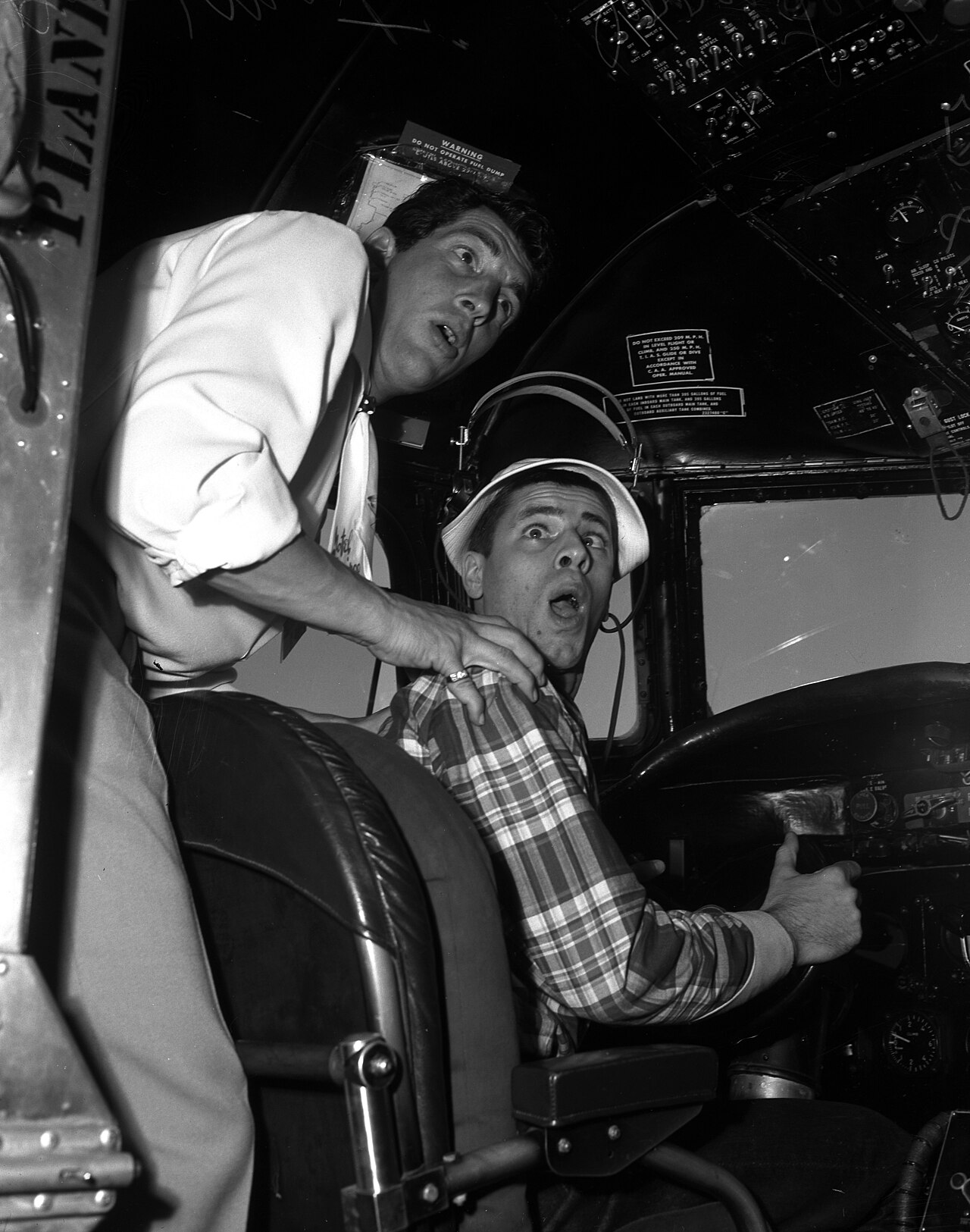
In 1945, a nineteen-year-old Lewis crossed paths with the twenty-seven-year-old Dean Martin at New York's Glass Hat Club, and what began as a shared stage quickly became one of the most iconic comedy partnerships of the era. They debuted as Martin and Lewis on July 25, 1946, at Atlantic City's 500 Club, with Martin anchoring the duo as the straight man while Lewis unleashed his zany, physical antics. What set them apart from earlier comedy teams was their willingness to weave spontaneous, ad-libbed moments into carefully planned routines, giving every performance a fresh, unpredictable energy. Their rise was rapid: a radio program, a television debut on CBS's Toast of the Town in 1948, a coveted spot on NBC's The Colgate Comedy Hour, and a string of sixteen buddy-comedy films for Paramount. Their popularity was so vast that DC Comics published a comic book series about them from 1952 to 1957. Their final live nightclub performance together took place at the Copacabana on July 24, 1956, and the two parted ways without ever publicly explaining the split.
Solo Career and Artistic Range
After the partnership dissolved, Lewis threw himself into an extraordinarily diverse solo career that spanned nearly three decades. He starred in thirty-five motion pictures between 1957 and 1984, guest-hosted The Tonight Show a record fifty-two times, and helmed his own nightly television series. His musical talents extended well beyond comedy; he performed live, recorded numerous albums, and interpreted standards from the Great American Songbook in concert halls, nightclubs, and on radio. A long-standing creative collaboration with Sammy Davis Jr. ran from 1950 through 1989, and together they appeared in at least 117 film and television productions. Lewis's versatility earned him two stars on the Hollywood Walk of Fame, and the French government recognized him with the Legion of Honor. Across a seven-decade career that touched film, television, music, radio, and live stage, he was widely regarded as one of the greatest comedians of the twentieth century and earned the enduring nickname King of Comedy.
The MDA Telethon and a Life of Giving
Perhaps no single aspect of Lewis's legacy surpasses his decades-long commitment to the Muscular Dystrophy Association. Serving as the organization's honorary national chairman and public spokesman, he created and hosted the annual Labor Day telecast known as The Jerry Lewis MDA Telethon, a live broadcast that became a fixture of American television. Beginning in 1966 and continuing through 2009, the telethon raised a staggering $2.45 billion for MDA, funding research and support for those affected by muscular dystrophy. The event transformed a comedian's platform into one of the most powerful engines of charitable fundraising in the country. Lewis's dedication to the cause was not a brief publicity stunt but a sustained, personal commitment that ran parallel to his entertainment career for over four decades. In a field where celebrity endorsements often come and go, his unwavering presence at the telethon each Labor Day cemented his reputation not merely as a performer but as a humanitarian whose generosity left an indelible mark on medical research and patient care.
Gallery
Frequently Asked Questions
Who is Jerry Lewis?
Jerry Lewis (born Joseph Levitch in Newark, New Jersey, 1926) was an American comedian, actor, singer, filmmaker, and humanitarian widely regarded as one of the 20th century's greatest comedians. He earned the nickname 'King of Comedy' through a career spanning roughly seven decades across film, television, and live performance.
What was Jerry Lewis's signature style in physical comedy?
Lewis was known for frantic, manic physicality—wild facial contortions, exaggerated gestures, and rapid-fire bit sequences that often broke the fourth wall. His clowning relied less on slapstick props and more on pure kinetic energy and emotional vulnerability, letting the audience glimpse the 'sad clown' beneath the chaos.
How did the Martin and Lewis duo work as a comedy pairing?
In the partnership, Dean Martin served as the cool, deadpan straight man while Lewis played the hyperactive, emotionally volatile sidekick. That contrast let Lewis's physical comedy land harder because Martin's stillness gave the audience a frame of reference.
What was the Jerry Lewis MDA Telethon?
Beginning in 1966, Lewis hosted an annual Labor Day television marathon that raised billions of dollars for the Muscular Dystrophy Association. The event grew into one of the largest single-day charity fundraisers in American history and defined the latter half of his public life.
Why is Jerry Lewis considered important to the history of clowning and physical comedy?
He proved that a performer could be a globally bankable star while still centering his craft on raw, unpolished physical expression rather than purely scripted jokes. His influence on subsequent generations of physical comedians and clowns is regarded as foundational to the modern tradition.
More in Clowning & Physical Comedy 1-21
Spotted an error? Know more?
This is a living reference — every entry is fact-audited, and reader corrections feed straight into our audit queue. Suggest an edit · See this site's audit record