Jean-Gaspard Deburau
Czech-French mime who created the iconic Pierrot character.

via Wikipedia: Jean-Gaspard Deburau · see source
Jean-Gaspard Deburau (born Jan Kašpar Dvořák; 31 July 1796 – 17 June 1846) was a Czech-French mime who performed at the Théâtre des Funambules in Paris from 1816 until his death. He is best known for creating the stage character Pierrot, which became a foundational figure in Romantic, Decadent, Symbolist, and early Modernist theater and art. His life and work were later immortalized in Marcel Carné's film Children of Paradise (1945), where he appears as the major character Baptiste.
- born
- 31 July 1796, Kolín, Bohemia (now Czech Republic)
- died
- 17 June 1846, Paris, France
- field
- Mime, pantomime
- nationality
- Czech-French
- known_for
- Creation of the Pierrot character; performances at the Théâtre des Funambules
Verified Timeline
Lore & Background
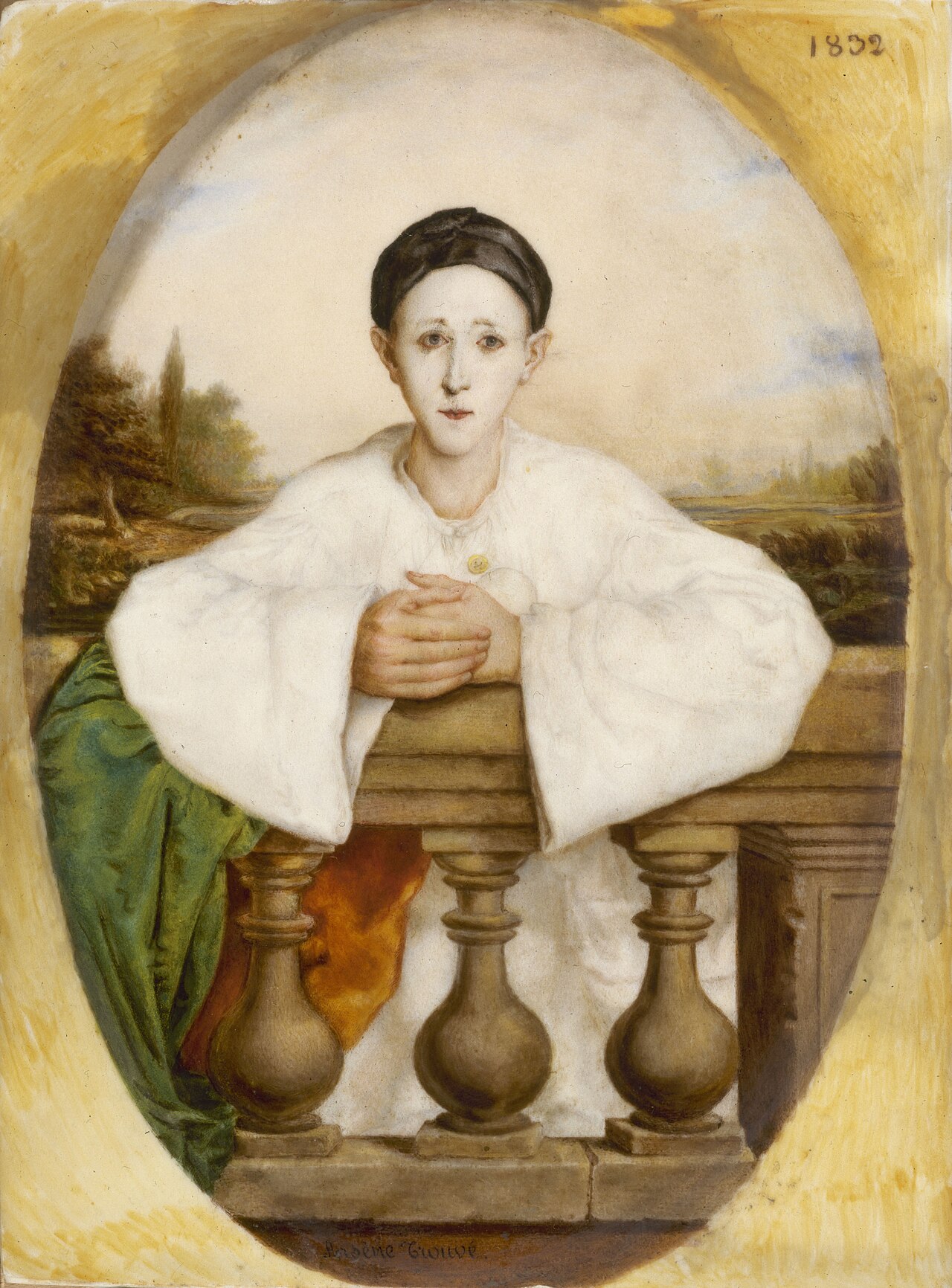
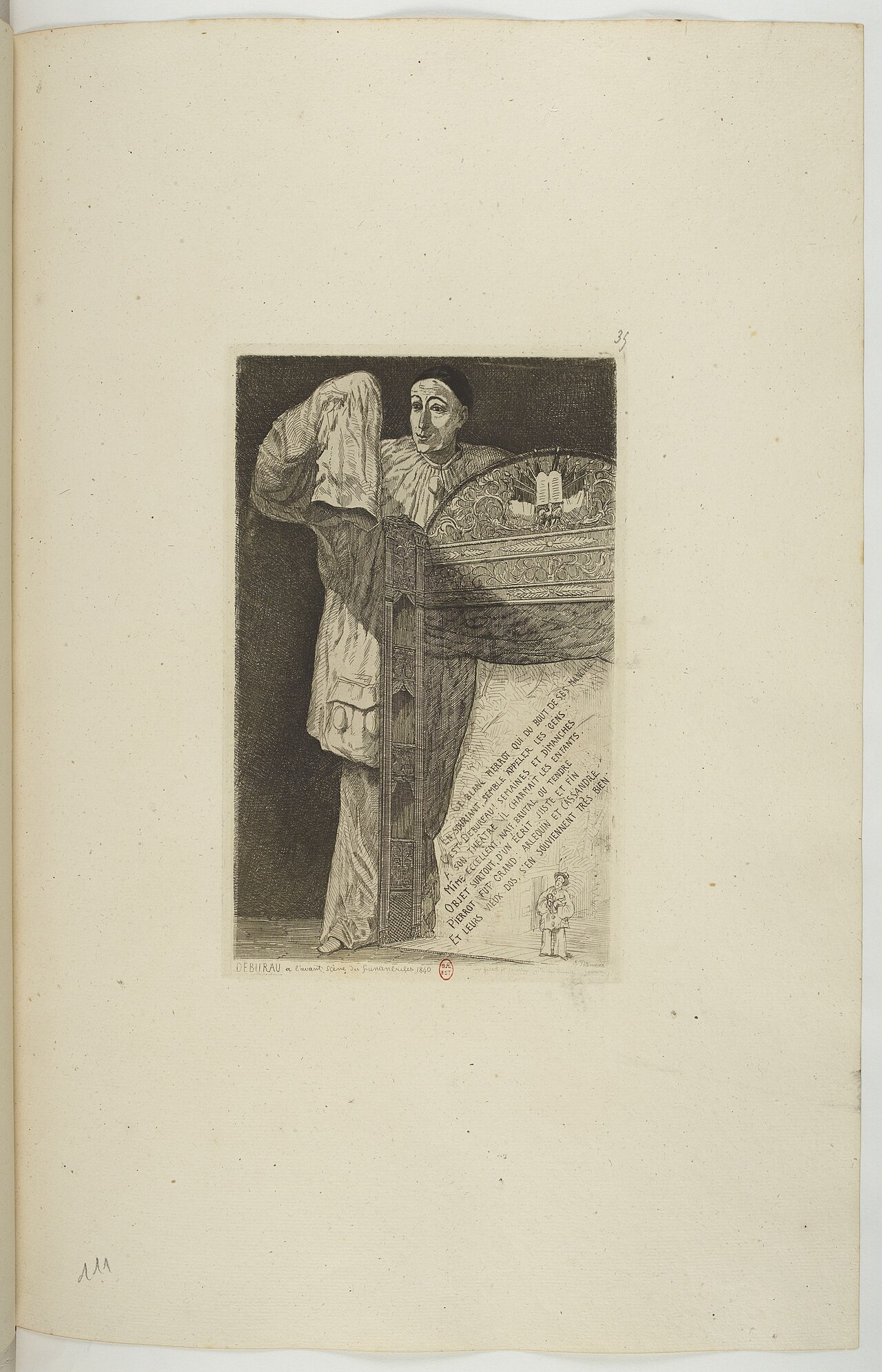
Deburau was born in Kolín, Bohemia (now Czech Republic), to a Czech servant mother, Kateřina Králová (or Catherine Graff), and a former French soldier father, Philippe-Germain Deburau, a native of Amiens. He became an actor in a nomadic troupe, which he led to Paris in 1814. In 1816, the troupe was hired by the manager of the Théâtre des Funambules, a minor theater that lacked a license for spoken dialogue and thus specialized in pantomimes. Cast-lists show Deburau appeared as Pierrot immediately, though he became the sole actor in that role only in 1825. He gained fame in 1828 after writer Charles Nodier published a panegyric about him, and journalist Jules Janin followed with a book of effusive praise, Deburau, histoire du Théâtre à Quatre Sous, in 1832. By the mid-1830s, Deburau was widely known, admired by figures such as Théophile Gautier (who called him 'the most perfect actor who ever lived'), Théodore de Banville, and Charles Baudelaire. In 1832, Deburau attempted to perform his pantomime at the Palais-Royal but failed spectacularly; chronicler Louis Péricaud wrote that 'never was there a greater disaster, a rout more complete for Deburau and his fellow-artists.' Deburau was hissed and vowed to play thereafter only before the 'naïfs and enthusiasts' who were habitués of the Boulevard du Crime. In 1836, Deburau was charged with murder after killing a boy who called him 'Pierrot' on the street. After his death, his son Jean-Charles (1829–1873) took over and later founded a 'school' of pantomime, which flourished first in the south of France and then, at the end of the century, in Paris. Deburau is buried in Père Lachaise Cemetery in Paris. Deburau's Pierrot was more aggressive in acrobatics—his 'superabundance, of gestures, of leaps' in Péricaud's words—than later portrayals, and he dispensed with the character's coarseness, emphasizing cleverness. He altered Pierrot's costume: an overlarge cotton blouse and trousers replaced the woolen dress of his predecessors, and he abandoned the frilled collar and hat to give prominence to his expressive face, with only a black skullcap as stark adornment. His pantomimes were often described as similar in structure—'naive scenarios' that 'limited' his acting, according to his Czech biographer Jaroslav Švehla—but Deburau himself considered his work an 'art,' as he told George Sand, who wrote that 'he loved it passionately and spoke of it as of a grave thing.' Four distinct types of commedia-related pantomime featured his Pierrot: rustic pantomimes, melo-pantomimes, realistic pantomimes, and pantomimic fairy-plays (including three subclasses).
Reader's Guide
Jean-Gaspard Deburau's significance lies in his transformation of the Pierrot character from a coarse figure into a more nuanced, clever, and expressive creation that influenced generations of theater and art. His performances at the Théâtre des Funambules, constrained by the theater's lack of a dialogue license, elevated pantomime as a serious art form. Despite a disastrous 1832 performance at the Palais-Royal, his reputation endured through the praise of prominent writers and his portrayal in Marcel Carné's film Children of Paradise. Deburau's legacy includes his son's continuation of his work and the lasting impact of Pierrot on Romantic, Decadent, Symbolist, and early Modernist movements. His innovations in costume and character, along with the variety of pantomime types he performed, demonstrate a deliberate artistic evolution, even as some contemporaries like Gautier reproached him for having 'denaturalized' the character. The archival manuscripts of his scenarios—far more numerous than the few in print—reveal a richer diversity than early scholars acknowledged.
Did You Know?
- Deburau was born Jan Kašpar Dvořák; his father was a former French soldier from Amiens and his mother a Czech servant named Kateřina Králová (or Catherine Graff).
- In 1836, Deburau was charged with murder after killing a boy who called him 'Pierrot' on the street.
- His 1832 performance at the Palais-Royal was such a disaster that chronicler Louis Péricaud called it 'a rout more complete for Deburau and his fellow-artists' and Deburau was hissed.
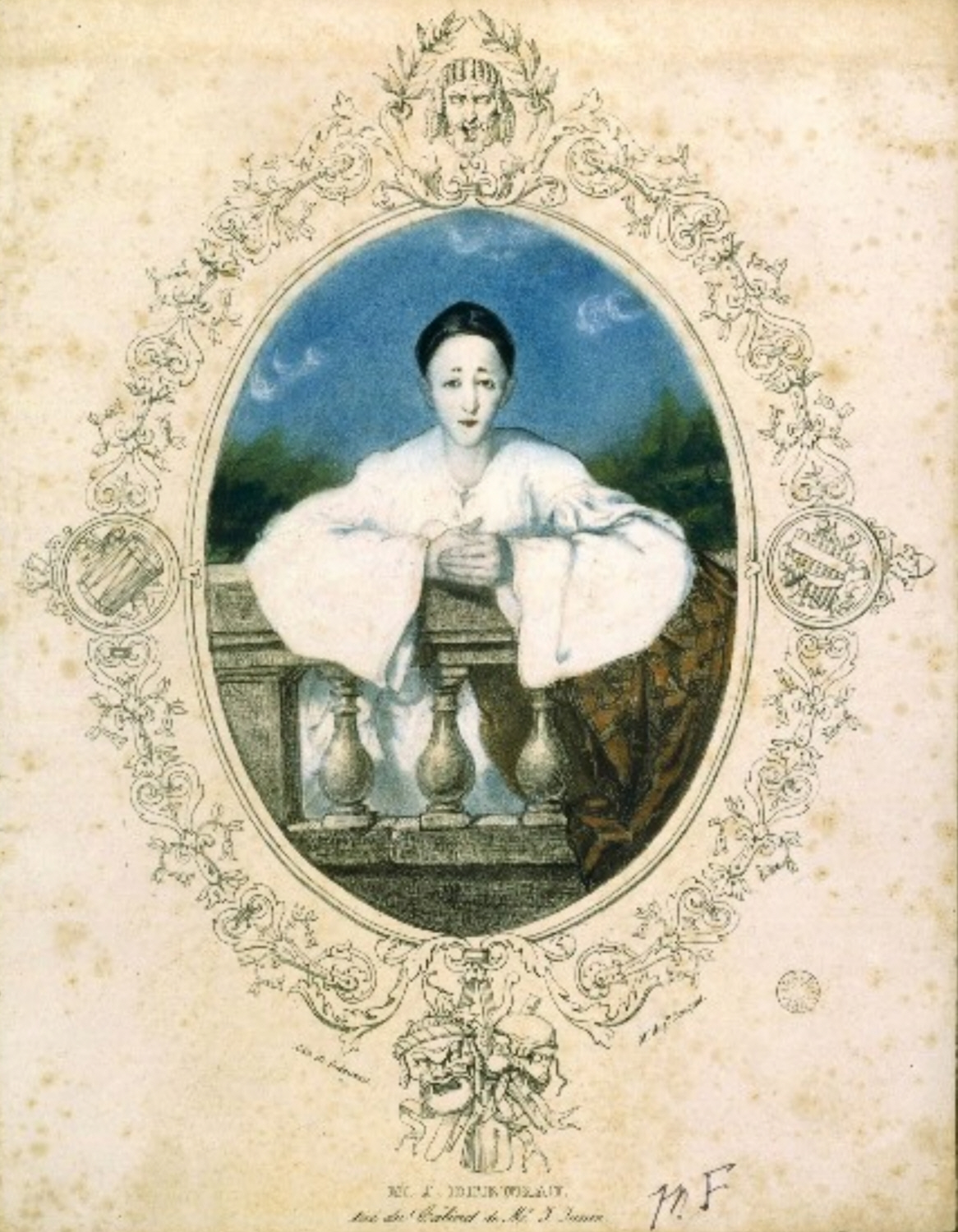
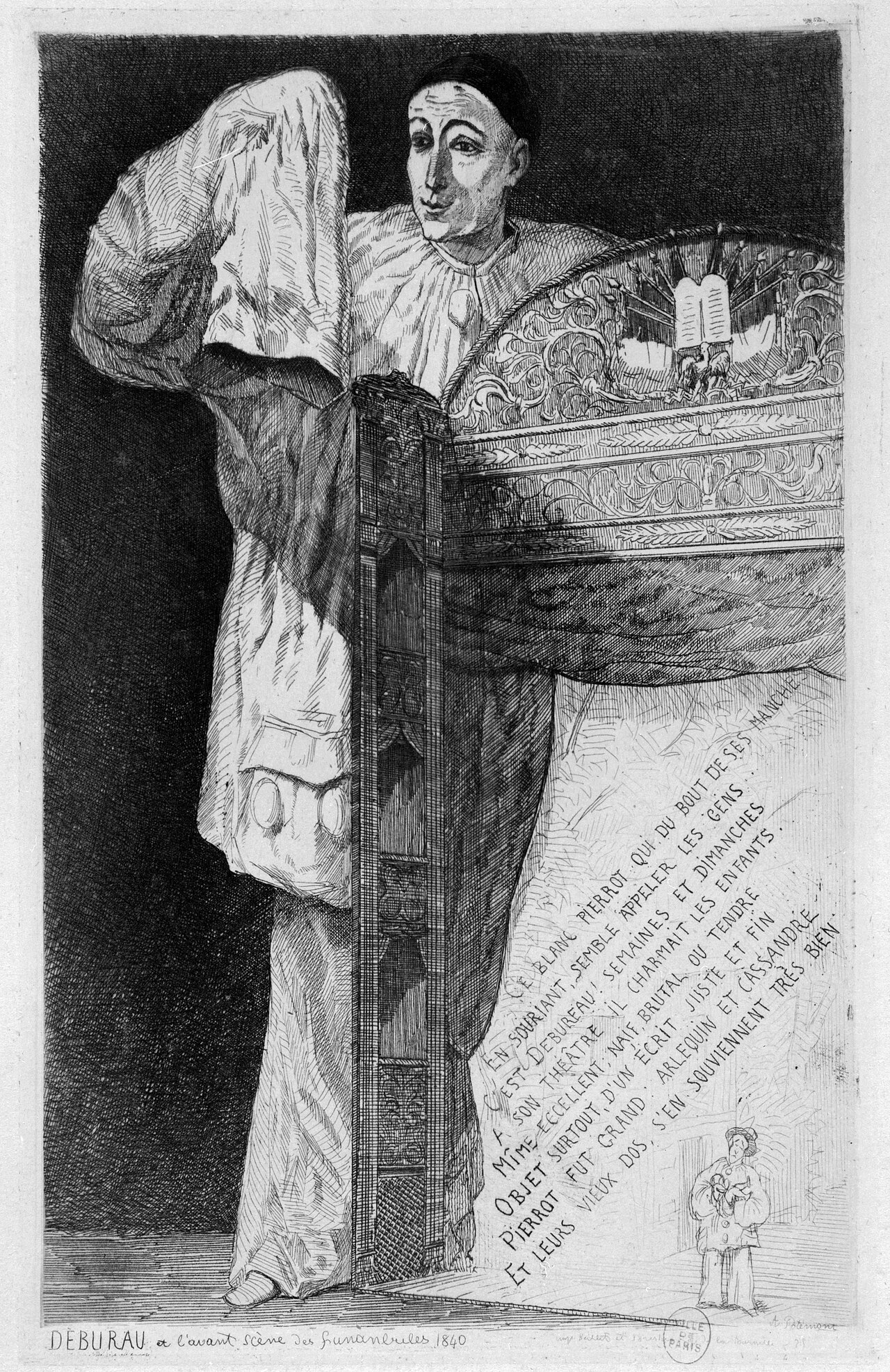
- Deburau's Pierrot costume innovations included an overlarge cotton blouse and trousers, no frilled collar or hat, and a black skullcap to emphasize his expressive face.
- The poet Théophile Gautier called Deburau 'the most perfect actor who ever lived' but also reproached him for having 'denaturalized' the Pierrot character.
From Bohemia to the Funambules
Born as Jan Kašpar Dvořák in Kolín, Bohemia, in 1796, Jean-Gaspard Deburau was the son of a Czech servant and a former French soldier originally from Amiens. He began his theatrical life leading a nomadic troupe before bringing them to Paris in 1814. In 1816, the manager of the Théâtre des Funambules hired the company. This was a minor theater that lacked the license to stage plays with spoken dialogue, so it specialized in pantomime to work around that restriction. Deburau appeared as Pierrot almost immediately in the cast lists, though he did not become the sole performer of that role until 1825. By the mid-1830s, he had achieved wide recognition in Parisian theatrical circles. He performed at the Funambules continuously from 1816 until his death in 1846, making that single stage his entire professional home for three decades.
Reinventing Pierrot
Deburau's Pierrot differed markedly from the earlier, more placid version performed by his predecessor Baptiste. His interpretation was more physically aggressive—his acrobatics and leaps were abundant—yet he stripped away the character's coarseness, emphasizing instead Pierrot's cleverness and commanding stage presence. Theater historian Edward Nye observed that under Deburau, Pierrot seemed to have matured intellectually, learning to moderate his worst excesses or even transform them into relative virtues. The poet Gautier, however, criticized him for having denaturalized the character. Deburau also altered the costume: an overlarge cotton blouse and trousers replaced the heavier woolen dress, and he abandoned the frilled collar and hat in favor of a simple black skullcap that framed his expressive face. Beyond Pierrot, he portrayed a range of other pantomime roles—the student-sailor Blanchot, the farmhand Cruchon, the goatherd Mazarillo, the naïve recruit Pichonnot—yet audiences in post-Revolutionary Paris inevitably saw traces of Pierrot in every one of them.
Literary Praise and the Palais-Royal Disaster
Deburau's rise to prominence was significantly shaped by the literary world. In 1828, the influential writer Charles Nodier published a panegyric celebrating his work, and in 1832 the journalist Jules Janin devoted an entire book of effusive praise to him, titled Deburau, histoire du Théâtre à Quatre Sous. By the mid-1830s, his reputation was firmly established: Théophile Gautier called him the most perfect actor who ever lived, Théodore de Banville dedicated poems and sketches to his Pierrot, and Charles Baudelaire praised his distinctive acting style. Yet his career also contained a dramatic low point. In 1832, when he brought his pantomime to the Palais-Royal for a benefit performance, the result was what the Funambules chronicler Louis Péricaud described as a rout more complete than any previously witnessed. Deburau was hissed by the audience and vowed never again to perform before any public other than the devoted habitués of the Boulevard du Crime.
Legacy and the Pierrot Who Endured
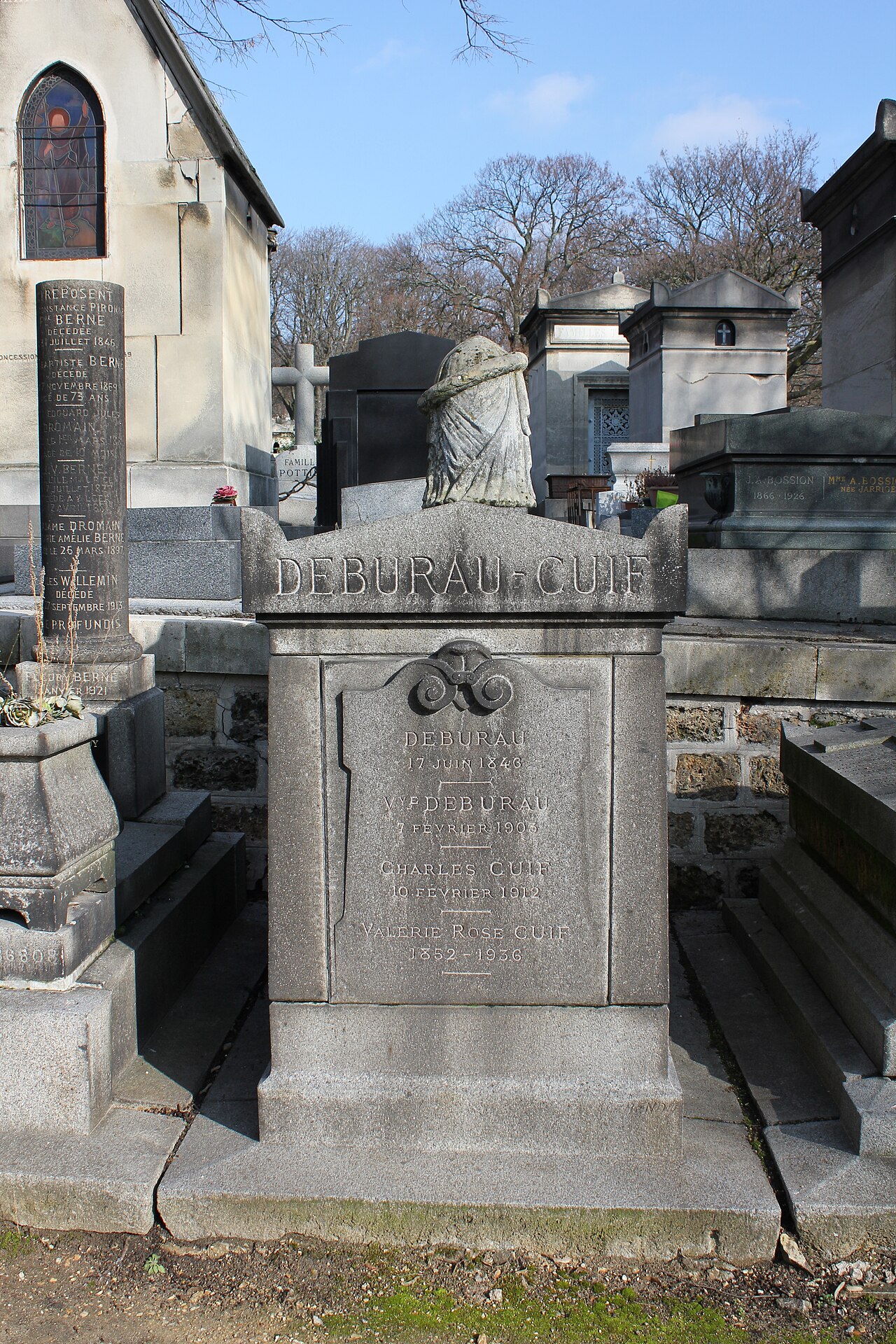
Deburau died on 17 June 1846 and was buried in Paris's Père Lachaise Cemetery. His son Jean-Charles (1829–1873) inherited the stage and went on to found a pantomime school that flourished first in southern France and later in Paris at the close of the nineteenth century. Deburau's Pierrot became the godfather of all subsequent Pierrots across Romantic, Decadent, Symbolist, and early Modernist theater and art. His presence endures in cinema as well: Marcel Carné's 1945 poetic-realist film Children of Paradise features a major character named Baptiste who embodies the Funambules tradition. In 1836, Deburau had been charged with murder after killing a boy who called him Pierrot on the street—a stark reminder that the boundary between the man and his creation had grown thin. For the Parisians of his era, Deburau and Pierrot were virtually synonymous.
Gallery
Frequently Asked Questions
Who is Jean-Gaspard Deburau?
He was a Czech-French mime artist who devoted his entire professional life to performing at the Théâtre des Funambules in Paris, from 1816 until his death in 1846. He is best remembered for transforming the Pierrot figure into a deeply emotional, poetic character that went on to shape Romantic, Symbolist, and early Modernist theater and visual art.
What is Deburau's real name and where was he born?
His birth name was Jan Kašpar Dvořák, and he came into the world on 31 July 1796 in Kolín, Bohemia, which is now part of the Czech Republic. He later adopted the French stage name Deburau after settling in Paris, and his dual Czech-French heritage remains a point of interest for fans of the mime tradition.
What did Deburau actually change about the Pierrot character?
Rather than treating Pierrot as a light, stock comic figure, Deburau reimagined him as a melancholic, introspective persona whose physical comedy carried real pathos and poetic gravity. That reworking is what made the character a foundational reference point for later Romantic, Decadent, and Symbolist artists.
Where did Deburau perform his whole career?
He was essentially a fixture at a single venue, the Théâtre des Funambules in Paris, where he debuted in 1816 and kept performing until his death in 1846. That decades-long association with one theater made him something of a house icon and a beloved fixture of Parisian popular culture.
How does Deburau connect to the film Children of Paradise?
Marcel Carné's 1945 classic features a major character named Baptiste who is widely understood to be a fictionalized portrait of Deburau and his Pierrot. The film introduced his story and his signature character to a global audience well after his passing in 1846.
More in Clowning & Physical Comedy 1-21
Spotted an error? Know more?
This is a living reference — every entry is fact-audited, and reader corrections feed straight into our audit queue. Suggest an edit · See this site's audit record